
Jeff Koons's net worth is most commonly cited at around $400 million, though credible estimates range from roughly $290 million to $400 million depending on the source and methodology. The $400 million figure comes from CelebrityNetWorth, updated as recently as December 2025, and is the most widely repeated number you'll find. That spread of over $100 million between sources isn't unusual for a working artist whose wealth is tied up in unsold artwork, studio operations, and private deals rather than publicly traded stock.
Artist Koons Net Worth: Jeff Koons Wealth Range Explained

Marcus Holloway
22 May 2026
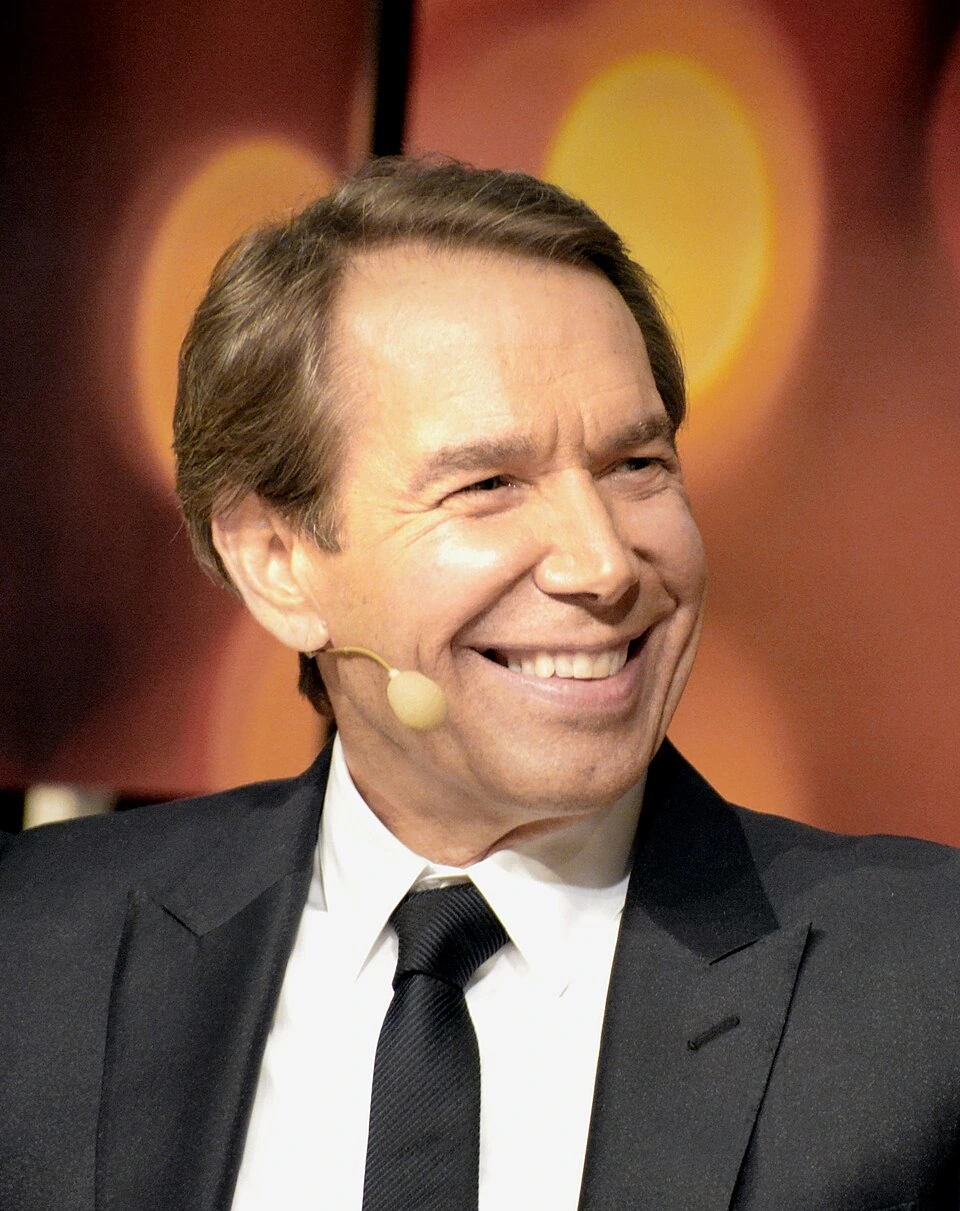
Who Jeff Koons is and why the numbers don't all match

Jeff Koons is a contemporary American artist born in 1955 in York, Pennsylvania. He's probably the most commercially successful living artist in the world, known for work like the stainless steel "Balloon Dog" sculptures, the "Rabbit," and the "Celebration" series. His pieces sell at the highest price points in the contemporary art market, and his name alone carries significant brand weight.
If you've searched "artist Koons net worth," you're almost certainly looking for Jeff Koons rather than any other person with a similar name. If you meant a different artist, make sure you have the correct subject, since “jerry koosman net worth” can refer to someone else entirely. One of the most searched terms is jim koman net worth, which is often used to compare how different sources value Koons's assets art Koons net worth.
The reason estimates differ so widely is structural, not sloppy research. Most of Koons's wealth is locked in assets that don't have a daily market price. How much is his remaining inventory of unsold works worth? What's the value of his studio in New York, his intellectual property, or his share of ongoing deals? Nobody outside his inner circle knows for certain. Different outlets make different assumptions when they fill in those blanks, which is why you'll see $290 million from one source and $400 million from another.
How Jeff Koons actually makes his money
Auction records that anchor the estimates

The most concrete data points in any Koons wealth estimate are auction results, because those are public. The headline number is "Rabbit" (1986), which sold at Christie's in May 2019 for approximately $91.1 million, setting a record for a living artist at the time. "Balloon Dog (Orange)" sold at Christie's in 2013 for $58.4 million. These aren't outliers: Koons regularly places in the top tier of contemporary art auction results globally. Critically, though, Koons himself doesn't receive the full sale price on secondary market auctions. Once he's sold a work initially, auction proceeds go to the seller (a collector, institution, or estate). His direct cut from those secondary sales is generally zero unless a resale royalty agreement is in place.
Primary sales through galleries and dealers
Where Koons does earn directly is through primary sales: works sold for the first time, typically through his studio or gallery relationships. His longtime gallery relationship with Gagosian (one of the most powerful commercial galleries in the world) and prior work with other top-tier dealers puts him in front of the highest-spending collectors. Primary sale prices for major Koons works run into the tens of millions per piece, and his studio produces a relatively small volume of work each year, keeping scarcity high. Even if only a handful of major pieces sell annually, the revenue per transaction is extraordinary.
Commissions and institutional projects
Koons also earns from large-scale commissions: public sculptures, corporate collections, and institutional projects. These are negotiated privately and can involve multimillion-dollar fees. A high-profile example is his "Split-Rocker" sculpture and various public installations that have been commissioned by cities, museums, and private clients worldwide. Commission fees vary wildly, but for an artist at his stature, a single public commission can be worth $5 million to $20 million or more.
Assets behind the number: what's likely, what's confirmed
Koons runs a large production studio in the Hudson Yards area of New York City, which at various points has employed 100 or more fabricators, assistants, and administrators. That studio is a major asset and a major cost center simultaneously. On the asset side, it likely holds inventory of completed or partially completed works worth hundreds of millions on the open market. On the cost side, running that operation requires significant ongoing payroll and overhead, which means his liquid cash position could be considerably lower than the headline net worth figure suggests.
His confirmed real estate is harder to pin down from public records, but reports over the years have placed him in high-value Manhattan properties. Art holdings (works he's retained from his own production) represent arguably the largest theoretical chunk of his net worth, but valuing unsold art is inherently speculative. An appraiser could plausibly argue a wide range for what his inventory is worth depending on market conditions. What's reasonable to assume: his total asset base (studio, real property, retained art, investments) is somewhere in the hundreds of millions, which is consistent with both the $290 million and $400 million estimates depending on how conservatively you value the art inventory.
Licensing, brand deals, and secondary revenue

Koons has extended his brand into licensing arrangements that generate revenue beyond art sales. His most prominent example was a 2017 collaboration with Louis Vuitton, where his "Masters" series wrapped iconic handbags with reproductions of Old Master paintings alongside his signature "Jeff Koons" branding. That kind of deal involves upfront licensing fees plus royalties tied to product sales, and for a brand like Vuitton at luxury price points, the numbers can be significant. He's also licensed imagery for prints, limited editions, and merchandise, which are lower-dollar-per-unit but higher-volume revenue streams.
These secondary streams matter in the wealth calculation because they're more recurring than art sales, which can be lumpy year to year. A major licensing deal can add a consistent income floor that helps sustain the studio operation and contributes to wealth accumulation even in years when no blockbuster auction record is set.
How net worth estimates are actually built
Net worth databases like CelebrityNetWorth and WhatsTheirNetWorth typically build their estimates using a combination of public data (auction records, known real estate transactions, reported deal values) and educated inference (estimated studio revenue, assumed art inventory value, plausible investment holdings). They generally don't have access to tax returns, private bank statements, or legal filings unless those surface in litigation or public disclosure. What you're reading is an informed estimate, not a certified financial figure.
For an artist specifically, the standard approach is to look at total career auction volume (public), estimate a share of primary sales (inferred from gallery relationships and reporting), factor in known commissions and licensing, subtract known overhead costs (studio size, legal disputes, reported debt), and arrive at a range. The $400 million figure from CelebrityNetWorth leans toward a more optimistic asset valuation; the [$290 million](https://whatstheirnetworth.
com/richest-businessmen/jeff-koons-net-worth/) figure from WhatsTheirNetWorth may apply a steeper discount to illiquid art holdings or account for studio operating costs more aggressively. Koehler Motorsports net worth estimates follow a similar pattern of mixing public figures with assumptions about ownership stakes, equipment, and sponsorship revenue. If you're specifically trying to pin down the jim koons automotive net worth figure you keep seeing online, these two commonly cited sources explain why you may be getting different numbers. Both are defensible.
| Source | Estimate | Primary Basis | Last Updated |
|---|---|---|---|
| CelebrityNetWorth | $400 million | Auction records including "Rabbit" ($91.1M), primary sales, studio value | December 5, 2025 |
| WhatsTheirNetWorth | $290 million | Auction references including "Balloon Dog (Orange)" and "Rabbit" | Not specified |
The career moments that built the fortune
Koons's wealth didn't appear overnight. A few career inflection points matter most for understanding where the money came from. His early "Equilibrium" series in 1985 and the "Banality" series in the late 1980s established him as a serious market force and introduced his strategy of high-end fabrication at scale. The "Celebration" series (featuring the balloon dog and other works) was conceived in the early 1990s but took over a decade to produce, partially because of a costly legal battle over his marriage to Italian porn star and politician Ilona Staller. That divorce was reported to have cost him tens of millions, a reminder that personal events can dramatically reshape a net worth trajectory.
By the 2000s, Koons had rebuilt and expanded his market position significantly. The 2013 "Balloon Dog (Orange)" auction result at $58.4 million signaled that his work had reached the very top tier of the contemporary market. The 2019 "Rabbit" sale at $91.1 million cemented that status. Each record-setting result doesn't just reflect a single transaction: it recalibrates the perceived value of everything else in his inventory, effectively raising his theoretical net worth even without a single additional sale.
The Louis Vuitton collaboration in 2017 was another turning point, demonstrating that his brand had crossover commercial value beyond the pure art world. That expansion into luxury fashion licensing opened a template for future brand revenue that pure fine artists rarely access.
Checking and interpreting updated figures
If you want the most current and reliable estimate, here's what to actually look for. First, check when the source was last updated: the CelebrityNetWorth figure was updated December 5, 2025, which is relatively recent. Stale pages (two to three years out of date) may miss major auction events that meaningfully shift the estimate. Second, look for whether the source cites specific auction results or known deals rather than just stating a number. Sources that tie the figure to verifiable events are more credible than those that offer no supporting detail. Third, cross-reference at least two or three outlets and note the range rather than anchoring on a single figure.
Net worth estimates for living artists like Koons can shift meaningfully around a few trigger events: a major new auction record, a large public commission announcement, a high-profile licensing deal, or (on the downside) news of legal disputes or studio financial trouble. If you see a dramatic change in an estimate, look for news from that same period that might explain it. A jump from $290 million to $400 million, for instance, could reflect a reassessment of art inventory value following strong auction results in a given year rather than a single identifiable transaction.
One practical note: paywalled or subscription business databases like Bloomberg or Forbes occasionally run profiles with reported figures, and those tend to involve more direct reporting than aggregator sites. If a credible outlet like Forbes lists a specific figure with a reported story attached, that's worth weighting more heavily than a database estimate alone. For Koons specifically, his wealth has occasionally been covered in financial press alongside art market reporting, so searching for those profiles alongside net worth database figures gives you a more complete picture.
The honest bottom line on what to believe
The most useful way to think about Jeff Koons's net worth is as a range: somewhere between $290 million and $400 million is well-supported by available evidence, with $400 million being the most cited figure as of late 2025. The true number could be higher if his art inventory is valued at peak auction comparables, or lower if you factor in studio overhead, prior legal costs, and the illiquidity discount that applies to any asset you can't immediately sell. What's not seriously in dispute is that he's one of the wealthiest working artists alive, and the structural reasons for that (record auction prices, primary sales through elite galleries, brand licensing, and large institutional commissions) are consistent across every serious estimate you'll find. The exact Jim Koehler net worth figure varies depending on which source you consult, similar to how net worth estimates for high-profile figures can differ.
FAQ
If Koons’s works sell for tens of millions at auction, why don’t those numbers automatically translate into his personal earnings?
Not directly. Secondary-market auction results show what collectors paid at auction, but unless a resale royalty or a contractual participation agreement exists, Koons typically does not receive an additional cut from those later sales. That means “auction price equals artist income” is usually false for living artists like him.
Why do different sites estimate Jeff Koons net worth with a spread of hundreds of millions?
Estimates can swing a lot because they handle inventory valuation differently. Some outlets treat retained/unsold works as if they could sell at peak auction comparables, while others apply a discount for illiquidity, slower sales, or the cost to produce and authenticate works that are not yet fully complete.
How can brand licensing affect Jeff Koons net worth beyond one-time art sales?
A licensing deal can change the income pattern even if it does not instantly appear to “raise” net worth. For example, licensing typically creates more recurring revenue than auctions, so a studio with ongoing payroll can remain cash-flow positive during quieter art-market periods.
What should I look for to judge whether a Jeff Koons net worth estimate is more trustworthy?
Net worth databases often mix partial evidence with assumptions for missing private information. If you want a tighter estimate, prioritize sources that explicitly reference auction records, known primary-sale reporting, disclosed commission structures, or deal details, rather than those that only publish a single number with no method.
If the Jeff Koons net worth number changed recently online, what likely caused the revision?
If you see a big change, identify what time period the source was updated and whether it aligns with a major trigger event, such as a record auction result, a newly announced public commission, or a high-profile commercial licensing expansion. A number jump is often a recalculation of illiquid assets, not a single new cash infusion.
Why might Jeff Koons have a very high net worth but not as much liquid cash as the headline figure suggests?
Yes, studio operations can reduce how much cash sits freely with Koons even when headline net worth looks high. Large teams and fabrication processes can create ongoing costs, so two artists with the same estimated net worth can have very different liquidity depending on overhead and timing of completed sales.
How reliable is auction data for estimating the value of Koons’s unsold works?
Auction records reflect market perception, but they can overstate “what is his inventory worth” if the auction lots are unique, staged in a high-demand moment, or not directly comparable to unsold works. When outlets extrapolate from a few record results to the whole inventory, the estimate becomes more speculative.
How can I avoid confusing Jeff Koons net worth with someone else’s?
Be careful with identity. “Koons net worth” typically refers to Jeff Koons, but similarly named individuals show up in searches and some sites may blend or misattribute figures. Verify the person by matching birth year and known works like Balloon Dog or Rabbit.
What is the most practical way to use net worth estimates if I’m trying to understand Koons’s real financial position?
If a source claims a precise number but does not show any underlying assumptions, it is usually less actionable. For practical decision-making, treat the estimate as a range and compare how each outlet discounts illiquid assets, accounts for studio costs, and values retained works versus cash-like holdings.
Do legal disputes or settlement histories meaningfully influence net worth estimates for artists like Koons?
Returns can be affected by litigation risk, settlement costs, and time lost between major projects. The article notes major legal events shifted his trajectory, and in similar cases the impact can show up indirectly through lower liquidity, delayed production, or a changed valuation of assets held during disputes.
Next Article
Jerry Koosman Net Worth: Estimate, Range, and How It’s Calculated
Estimated Jerry Koosman net worth with a credible range, methods, career timeline, and how to verify the numbers.